

News & Events
25th Sunday in Ordinary Time
Posted in News
20th. September 2026
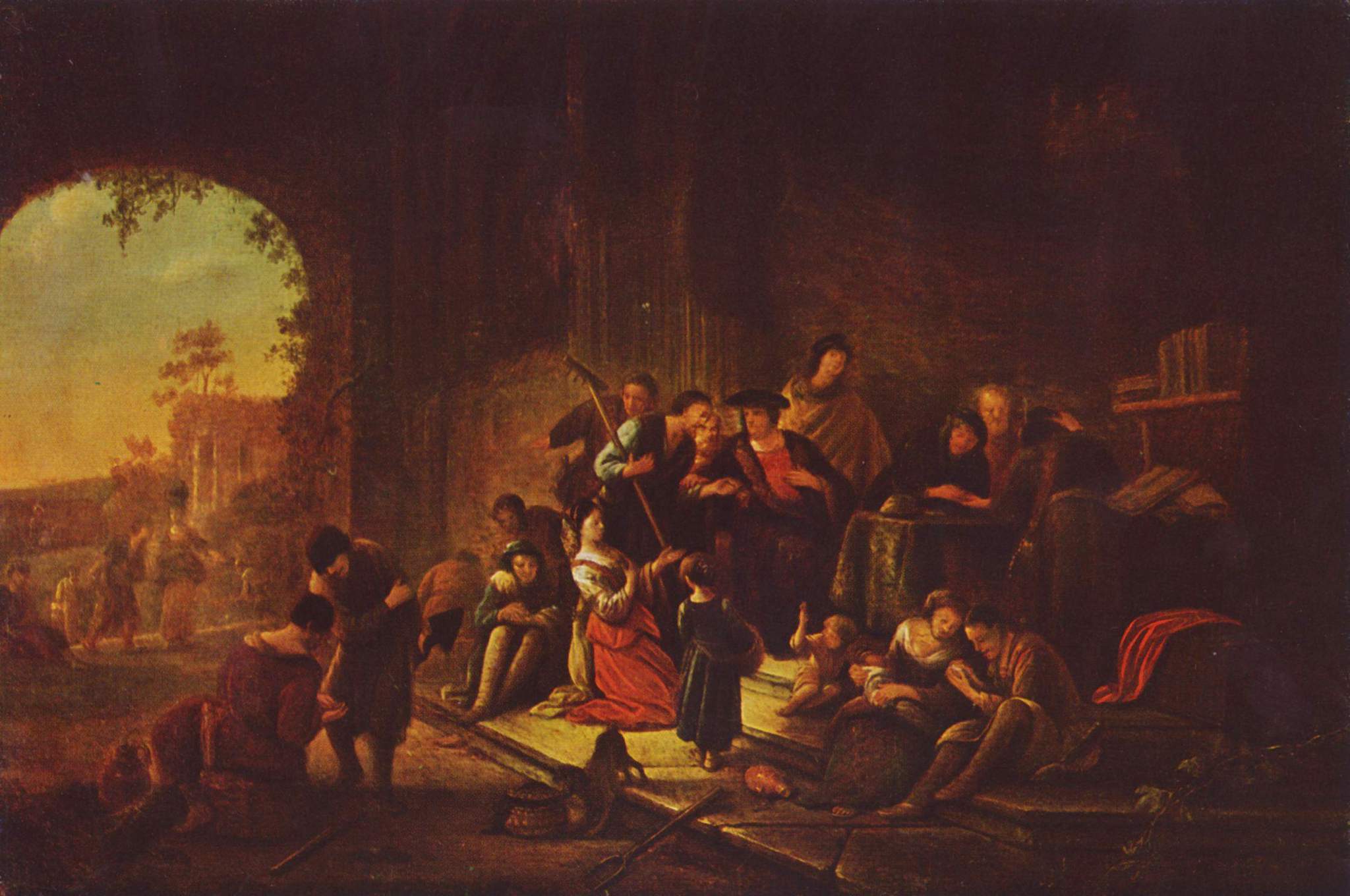
Gospel: Matthew 20, 1 – 16
“For the kingdom of heaven is like a landowner who went out early in
the morning to hire workers for his vineyard. He agreed to pay them a
denarius[a] for the day and sent them into his vineyard. “About nine
in the morning he went out and saw others standing in the marketplace
doing nothing. He told them, ‘You also go and work in my vineyard, and
I will pay you whatever is right.’ So they went. “He went out again
about noon and about three in the afternoon and did the same thing.
About five in the afternoon, he went out and found still others
standing around. He asked them, ‘Why have you been standing here all
day long doing nothing? “‘Because no one has hired us,’ they answered.
“He said to them, ‘You also go and work in my vineyard.’ “When evening
came, the owner of the vineyard said to his foreman, ‘Call the workers
and pay them their wages, beginning with the last ones hired and going
on to the first.’ “The workers who were hired about five in the
afternoon came and each received a denarius. So when those who were
hired first came, they expected to receive more. But each one of them
also received a denarius. When they received it, they began to
grumble against the landowner. ‘These who were hired last worked only
one hour,’ they said, and you have made them equal to us who have
borne the burden of the work and the heat of the day.’ “But he
answered one of them, ‘I am not being unfair to you, friend. Didn’t
you agree to work for a denarius? Take your pay and go. I want to give
the one who was hired the last as I gave you. Don’t I have the right
to do what I want with my own money? Or are you envious because I am
generous?’ “So the last will be first, and the first will be last.
______________________________
Homily
My dear sisters and brothers, the readings for today, the 25th Sunday
of Ordinary time are readings which call us to forget for a little
while, the problems which we face and which take up so much of our
time and energy. To help us with this exercise of discernment, the
Church offers us three readings which if we let them accompany us can
bring a level of peace which we may not have experienced in the past.
The first reading from the prophet Isaiah, dealing with Israel’s
infidelity and subsequent period of exile and suffering reveals a God
who does not abandon them but invites them to return and seek his
mercy. God does not tell them as we humans are what to do, “I will
think about it.”. God calls and invites the Israelites, as God does to
us in the present moment. Through the prophet, God then tells the
Israelites “Let the wicked forsake his way, and the unrighteous his
thoughts.” Conversion is not merely changing what we do; it also means
allowing God to change the way we think, judge and see others. And
when we turn back, we discover that God is not waiting to punish us.
He is “generous in forgiving.” Finally, God reminds us: “My thoughts
are not your thoughts, nor are your ways my ways.” This insight is
important for understanding the other readings. It is only my dear
sisters and brothers after we spend time studying the scriptures that
we begin to understand the ways of God.
In the second reading, we are again placed before the apostle
Gospel: Matthew 20, 1 – 16
“For the kingdom of heaven is like a landowner who went out early in
the morning to hire workers for his vineyard. He agreed to pay them a
denarius[a] for the day and sent them into his vineyard. “About nine
in the morning he went out and saw others standing in the marketplace
doing nothing. He told them, ‘You also go and work in my vineyard, and
I will pay you whatever is right.’ So they went. “He went out again
about noon and about three in the afternoon and did the same thing.
About five in the afternoon, he went out and found still others
standing around. He asked them, ‘Why have you been standing here all
day long doing nothing? “‘Because no one has hired us,’ they answered.
“He said to them, ‘You also go and work in my vineyard.’ “When evening
came, the owner of the vineyard said to his foreman, ‘Call the workers
and pay them their wages, beginning with the last ones hired and going
on to the first.’ “The workers who were hired about five in the
afternoon came and each received a denarius. So when those who were
hired first came, they expected to receive more. But each one of them
also received a denarius. When they received it, they began to
grumble against the landowner. ‘These who were hired last worked only
one hour,’ they said, and you have made them equal to us who have
borne the burden of the work and the heat of the day.’ “But he
answered one of them, ‘I am not being unfair to you, friend. Didn’t
you agree to work for a denarius? Take your pay and go. I want to give
the one who was hired the last as I gave you. Don’t I have the right
to do what I want with my own money? Or are you envious because I am
generous?’ “So the last will be first, and the first will be last.
______________________________
Homily
My dear sisters and brothers, the readings for today, the 25th Sunday
of Ordinary time are readings which call us to forget for a little
while, the problems which we face and which take up so much of our
time and energy. To help us with this exercise of discernment, the
Church offers us three readings which if we let them accompany us can
bring a level of peace which we may not have experienced in the past.
The first reading from the prophet Isaiah, dealing with Israel’s
infidelity and subsequent period of exile and suffering reveals a God
who does not abandon them but invites them to return and seek his
mercy. God does not tell them as we humans are what to do, “I will
think about it.”. God calls and invites the Israelites, as God does to
us in the present moment. Through the prophet, God then tells the
Israelites “Let the wicked forsake his way, and the unrighteous his
thoughts.” Conversion is not merely changing what we do; it also means
allowing God to change the way we think, judge and see others. And
when we turn back, we discover that God is not waiting to punish us.
He is “generous in forgiving.” Finally, God reminds us: “My thoughts
are not your thoughts, nor are your ways my ways.” This insight is
important for understanding the other readings. It is only my dear
sisters and brothers after we spend time studying the scriptures that
we begin to understand the ways of God.
In the second reading, we are again placed before the apostle
Paul whose attitude towards life and death is so different to ours,
but it is an attitude which flows from his love of Christ. Paul writes to the
Philippians while facing the possibility of imprisonment and even death.
Yet his concern is not primarily about what will happen to him. His deepest desire is
that Christ will be honored in his life and in his death. “For me, to
live is Christ and to die is gain.” This does not mean that Paul
despises life. Rather, if he continues to live, his life will be an
opportunity for fruitful service. If he dies, he hopes to be with
Christ. Paul therefore finds himself torn. Personally, he longs to be
with Christ, but he also knows that remaining alive will allow him to
serve the Philippians and help them grow in faith. This reveals
something beautiful about Christian discipleship: our life is not
ultimately about ourselves. Paul is willing to remain because others
need him. His love for Christ becomes love expressed through service.
What a difference to our attitude. We do not want to die so that we
can help others. Many do not want to die because they are afraid of
death and what comes after death. Therefore, he tells the Philippians:
“Conduct yourselves in a manner worthy of the gospel of Christ.” If
faith in essence calls us to live as Christ lived, what a difference
that would make, not only to the lives of the unimportant but more
specially to the lives of those who govern nations. The fear of death
would be minimized. The question for us then is very simple: If Christ
is truly the Centre of my life, what would change in the way I live,
serve and relate to others?
that Christ will be honored in his life and in his death. “For me, to
live is Christ and to die is gain.” This does not mean that Paul
despises life. Rather, if he continues to live, his life will be an
opportunity for fruitful service. If he dies, he hopes to be with
Christ. Paul therefore finds himself torn. Personally, he longs to be
with Christ, but he also knows that remaining alive will allow him to
serve the Philippians and help them grow in faith. This reveals
something beautiful about Christian discipleship: our life is not
ultimately about ourselves. Paul is willing to remain because others
need him. His love for Christ becomes love expressed through service.
What a difference to our attitude. We do not want to die so that we
can help others. Many do not want to die because they are afraid of
death and what comes after death. Therefore, he tells the Philippians:
“Conduct yourselves in a manner worthy of the gospel of Christ.” If
faith in essence calls us to live as Christ lived, what a difference
that would make, not only to the lives of the unimportant but more
specially to the lives of those who govern nations. The fear of death
would be minimized. The question for us then is very simple: If Christ
is truly the Centre of my life, what would change in the way I live,
serve and relate to others?
The Gospel reading for today
is, however, a reading which many persons find unjust but will not say
it because they are afraid that Christ will punish them. To many,
those who were not in the square when the first workers were hired,
were not there because of laziness, or because of domestic duties, or
because they finished another job earlier or for some other excuse.
The question is how does one pay workers, who have done differing
amounts of work. What is important to mention here that the world at
the time of Jesus is totally different to the present age. While there
are still people who are looking for work, one does not find them in
the squares waiting to be offered work. In an age in which more and
more tasks are computerized, even in animal husbandry and agriculture,
the issue is often a problem of education, and are we faced with the
problem of diminishing work opportunities because of education
facilitators unwilling to spend time and energy on finding ways to
educate people for the tasks at hand. This my dear sisters and
brothers is not only a task for the church. It is a task for all
people of goodwill who see lives distorted and lost because there are
no people willing to help. How difficult it can be for young persons
who want to dedicate themselves to honest work but have no help.
Added to the problems mentioned above are those who have worked honestly and hard.
People who have been faithful, have helped the poor, have prayed,
served, sacrificed and tried to do what is right yet seem to be
abandoned by God yet some who seem to have done so little or nothing
at all seem to receive the blessing that they have not deserved?” At
some point, we too may have compared ourselves with others and asked:
“What do I get for being faithful?” We easily tend to forget that at
the end of life here on earth the divine considers the resemblance to
Jesus, who scripture tells us had nowhere to lay his head. We often
look at those who were not hired early in the morning as people who
were perhaps lazy or were trying to avoid work. There is another way
of interpreting this story, however. What if the landowner, because he
had been away for many months, as he went about his checking on his
farm discovered other things on his farm that needed attention, and he
goes out again to find workers to fix those problems that he
discovered. Imagine the happiness of those who, thinking that they
would not get work that day, are now hired. Imagine the happiness of
parents who can now buy food for their children, others who can now
repay debts etc. When they had all given up hope they are hired. They
have not worked for the full day but the tension which had been
growing in them is now diminished. They are a little less stressed
out, and to their surprise the landowner, remembering the tension that
he saw in them very generously, gives them a bit extra. What would
your reaction be? Anyone in a situation like that would be so grateful
It is important for
us to understand that the central message of the Gospel is that God
keeps looking for us, because our task in life in God’s eyes is to fix
a broken world. The landowner does not come only once. He keeps
returning to the marketplace. God does the same with us. Even when we
feel that we have wasted years, fallen away, or arrived late, God
continues to call us.
The part of the parable that most of us find difficult to understand
and accept is that those who worked from early morning received the
same wage. They complain: “You have made them equal to us.” They are
not cheated; they receive exactly what was promised. What troubles
them is the generosity shown to others. This is where comparison
enters our relationship with God. Sometimes we are faithful, we pray,
serve the Church and try to do what is right, yet life still brings
suffering, disappointment and unanswered prayers. We may ask, “Lord,
after all these years, where is my reward?” What happens inside me
when someone else receives the blessing I have been praying for? Can I
thank God for another person’s blessing even when I am still waiting
for mine? The parable reminds us that God’s grace is not a salary we
can demand from Him. We cannot put God in our debt. God’s mercy is a
gift. We cannot calculate His love according to our hours of service
or compare our journey with someone else’s. Perhaps, therefore, the
question is not, “Why did they get the same as me?” but “Why am I not
grateful that God has been so generous to me? Whether we came to God
early or late, whether our faith has been strong or weak, the
landowner keeps coming back for us. In the Kingdom of God, we do not
secure our place by competing with others. We receive it as a gift of
grace and respond to that grace through faithful love. Someone might
ask, “Then why should I serve God faithfully for years if someone who
comes at the last moment receives the same reward?” Because the
greatest gift is not simply what we receive at the end. The gift is
belonging to God, walking with Him and working in His vineyard today.
We must never forget the words of the first letter of Peter 4 :13
“Rejoice in the sufferings of Christ, that you may also rejoice
exultantly when his glory is revealed,” and we can add, “so that we may
complete in ourselves for the Church’s sake what is lacking in the
sufferings of Christ.
is, however, a reading which many persons find unjust but will not say
it because they are afraid that Christ will punish them. To many,
those who were not in the square when the first workers were hired,
were not there because of laziness, or because of domestic duties, or
because they finished another job earlier or for some other excuse.
The question is how does one pay workers, who have done differing
amounts of work. What is important to mention here that the world at
the time of Jesus is totally different to the present age. While there
are still people who are looking for work, one does not find them in
the squares waiting to be offered work. In an age in which more and
more tasks are computerized, even in animal husbandry and agriculture,
the issue is often a problem of education, and are we faced with the
problem of diminishing work opportunities because of education
facilitators unwilling to spend time and energy on finding ways to
educate people for the tasks at hand. This my dear sisters and
brothers is not only a task for the church. It is a task for all
people of goodwill who see lives distorted and lost because there are
no people willing to help. How difficult it can be for young persons
who want to dedicate themselves to honest work but have no help.
Added to the problems mentioned above are those who have worked honestly and hard.
People who have been faithful, have helped the poor, have prayed,
served, sacrificed and tried to do what is right yet seem to be
abandoned by God yet some who seem to have done so little or nothing
at all seem to receive the blessing that they have not deserved?” At
some point, we too may have compared ourselves with others and asked:
“What do I get for being faithful?” We easily tend to forget that at
the end of life here on earth the divine considers the resemblance to
Jesus, who scripture tells us had nowhere to lay his head. We often
look at those who were not hired early in the morning as people who
were perhaps lazy or were trying to avoid work. There is another way
of interpreting this story, however. What if the landowner, because he
had been away for many months, as he went about his checking on his
farm discovered other things on his farm that needed attention, and he
goes out again to find workers to fix those problems that he
discovered. Imagine the happiness of those who, thinking that they
would not get work that day, are now hired. Imagine the happiness of
parents who can now buy food for their children, others who can now
repay debts etc. When they had all given up hope they are hired. They
have not worked for the full day but the tension which had been
growing in them is now diminished. They are a little less stressed
out, and to their surprise the landowner, remembering the tension that
he saw in them very generously, gives them a bit extra. What would
your reaction be? Anyone in a situation like that would be so grateful
It is important for
us to understand that the central message of the Gospel is that God
keeps looking for us, because our task in life in God’s eyes is to fix
a broken world. The landowner does not come only once. He keeps
returning to the marketplace. God does the same with us. Even when we
feel that we have wasted years, fallen away, or arrived late, God
continues to call us.
The part of the parable that most of us find difficult to understand
and accept is that those who worked from early morning received the
same wage. They complain: “You have made them equal to us.” They are
not cheated; they receive exactly what was promised. What troubles
them is the generosity shown to others. This is where comparison
enters our relationship with God. Sometimes we are faithful, we pray,
serve the Church and try to do what is right, yet life still brings
suffering, disappointment and unanswered prayers. We may ask, “Lord,
after all these years, where is my reward?” What happens inside me
when someone else receives the blessing I have been praying for? Can I
thank God for another person’s blessing even when I am still waiting
for mine? The parable reminds us that God’s grace is not a salary we
can demand from Him. We cannot put God in our debt. God’s mercy is a
gift. We cannot calculate His love according to our hours of service
or compare our journey with someone else’s. Perhaps, therefore, the
question is not, “Why did they get the same as me?” but “Why am I not
grateful that God has been so generous to me? Whether we came to God
early or late, whether our faith has been strong or weak, the
landowner keeps coming back for us. In the Kingdom of God, we do not
secure our place by competing with others. We receive it as a gift of
grace and respond to that grace through faithful love. Someone might
ask, “Then why should I serve God faithfully for years if someone who
comes at the last moment receives the same reward?” Because the
greatest gift is not simply what we receive at the end. The gift is
belonging to God, walking with Him and working in His vineyard today.
We must never forget the words of the first letter of Peter 4 :13
“Rejoice in the sufferings of Christ, that you may also rejoice
exultantly when his glory is revealed,” and we can add, “so that we may
complete in ourselves for the Church’s sake what is lacking in the
sufferings of Christ.
Indeed, Isaiah was right when he said God’s thoughts are not our thoughts. We
think in terms of calculation, comparison and deserving; God thinks in
terms of mercy, generosity and grace. So today, instead of comparing
our blessings with someone else’s, let us look at our own lives and
say with gratitude: “God is indeed a good Father
think in terms of calculation, comparison and deserving; God thinks in
terms of mercy, generosity and grace. So today, instead of comparing
our blessings with someone else’s, let us look at our own lives and
say with gratitude: “God is indeed a good Father
Prayer
All powerful and ever-loving God, we thank you today for revealing to
us your generosity and allowing us to understand our vocation to
complete in ourselves what is lacking to the cross of your Son Jesus.
Help us to understand that the problems and sufferings we endure here
on earth are all part of the struggle to rebuild the beauty and
harmony of Eden which was lost because of the sin of our first
parents, and the selfishness and greed which we, so often live. Help
us Father to be true imitators of Jesus your son, so that our
families, our schools, our businesses and our countries may be places
of harmony and peace, so that your Kingdom of Justice, Peace and
love may be established here on earth. We ask this through the
intercession of Mary, our Mother and Jesus, your son and our brother.
Amen
All powerful and ever-loving God, we thank you today for revealing to
us your generosity and allowing us to understand our vocation to
complete in ourselves what is lacking to the cross of your Son Jesus.
Help us to understand that the problems and sufferings we endure here
on earth are all part of the struggle to rebuild the beauty and
harmony of Eden which was lost because of the sin of our first
parents, and the selfishness and greed which we, so often live. Help
us Father to be true imitators of Jesus your son, so that our
families, our schools, our businesses and our countries may be places
of harmony and peace, so that your Kingdom of Justice, Peace and
love may be established here on earth. We ask this through the
intercession of Mary, our Mother and Jesus, your son and our brother.
Amen
|
|